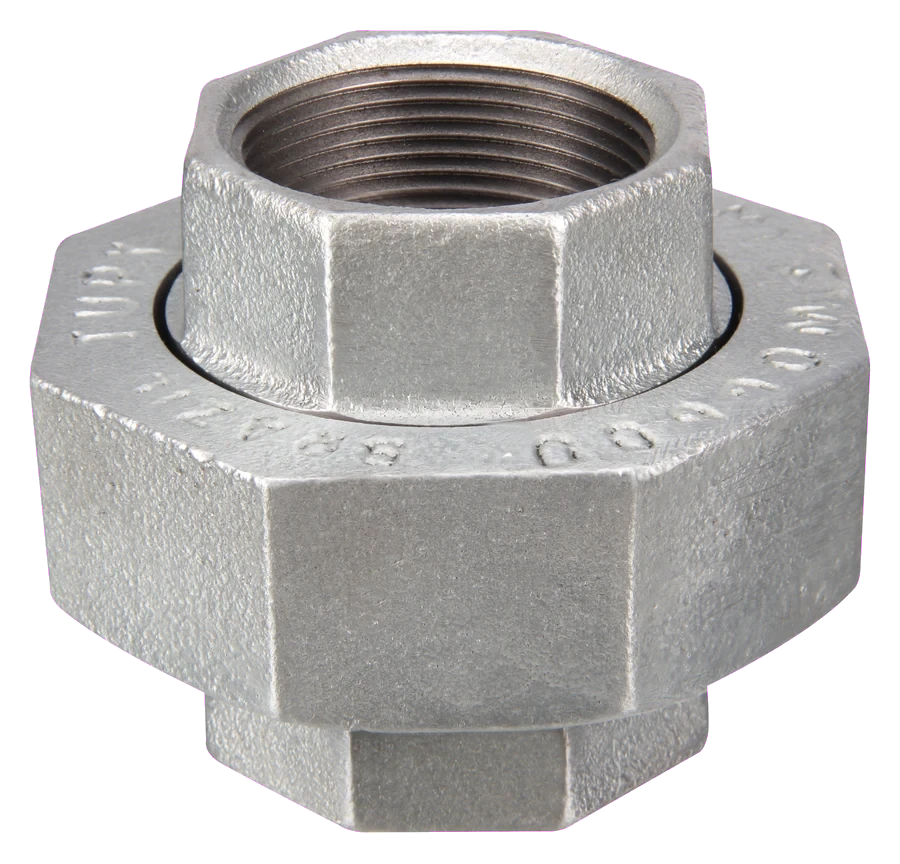
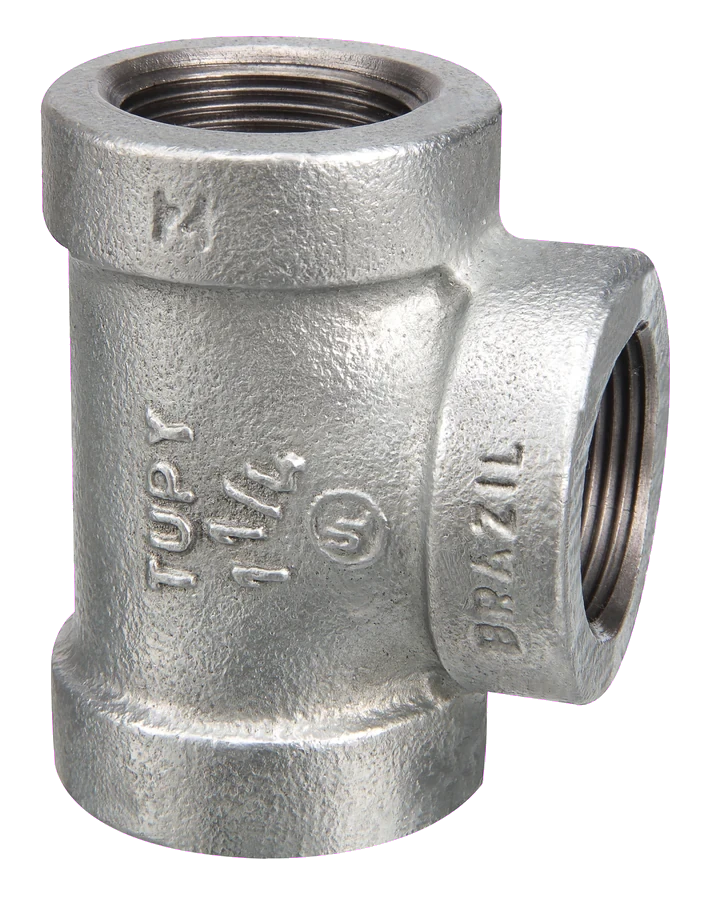
Why does this difference matter?
BSP and NPT are the two global thread standards for threaded fittings. They look so alike that they are hard to tell apart without a tool — and that is exactly why mixing the two is one of the most common causes of leaks in piping systems.
The dangerous part is that the wrong fitting tightens over the first few turns and the installer feels the job has been done correctly. But full contact between the two threads has not been made, and the leak arrives — today or six months later.
The geometric difference at a glance
Comparison table
| Property | BSP | NPT |
|---|---|---|
| Flank angle | 55 degrees | 60 degrees |
| Crest and root form | Rounded | Sharp |
| Reference standard | EN 10242 / ISO 49 / BS 21 | ASME B16.3 / ANSI B1.20.1 |
| Taper | 1 in 16 | 1 in 16 |
| Common market | The Middle East and Europe | North America and projects written to American specifications |
How do you tell them apart on site?
- Count the threads per inch: the most reliable practical method. The number of threads per unit length differs between the two standards in most sizes.
- Thread angle gauge: the cheapest accurate tool. It reads the 55 or 60 degree angle directly.
- Look at the crest: under a magnifier, a rounded crest means BSP and a sharp crest means NPT.
- Marking on the body: reputable manufacturers cast the thread standard into the body of the fitting.
- Trial assembly: if the fitting suddenly locks after two or three turns instead of running on smoothly, the threads are probably not of the same family.
Which one should you choose?
The rule is simple: match the rest of the system. Across the Middle East the prevailing standard is BSP, and unless the technical specification of the project explicitly calls for NPT, BSP is the right choice.
On oil, gas and petrochemical projects written to American specifications, NPT is mandatory; in two classes: class 150 for medium pressure and class 300 for high pressure.
If you have no choice but to join two systems of different standards, use a proper adaptor — not a direct connection.
Summary
BSP and NPT are not interchangeable. Before ordering, establish the thread standard of the existing system and write it on the order. A thread angle gauge is cheaper than draining and re-running a line once.
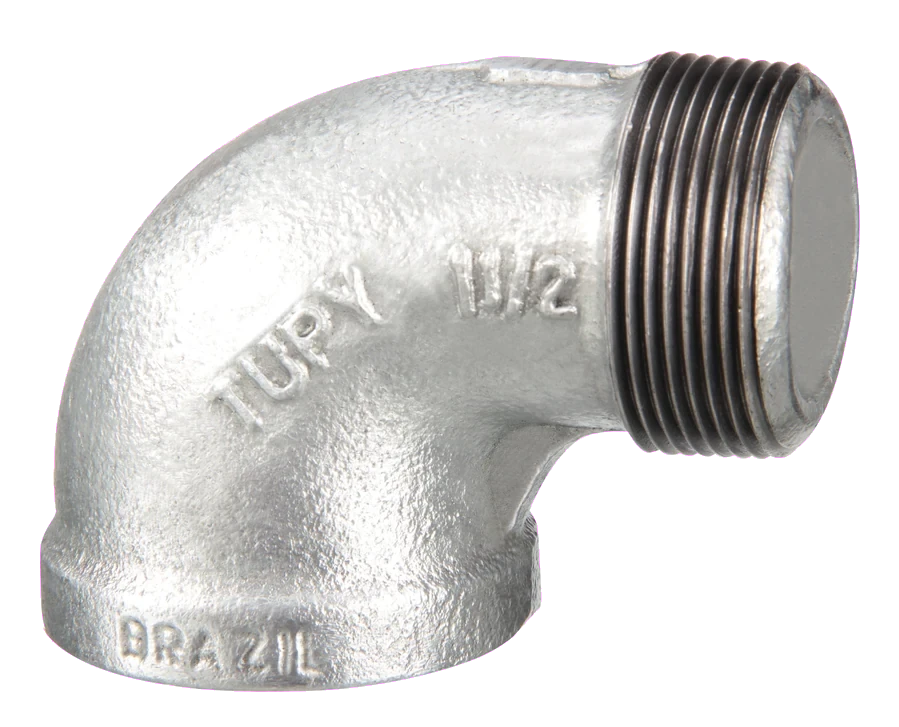
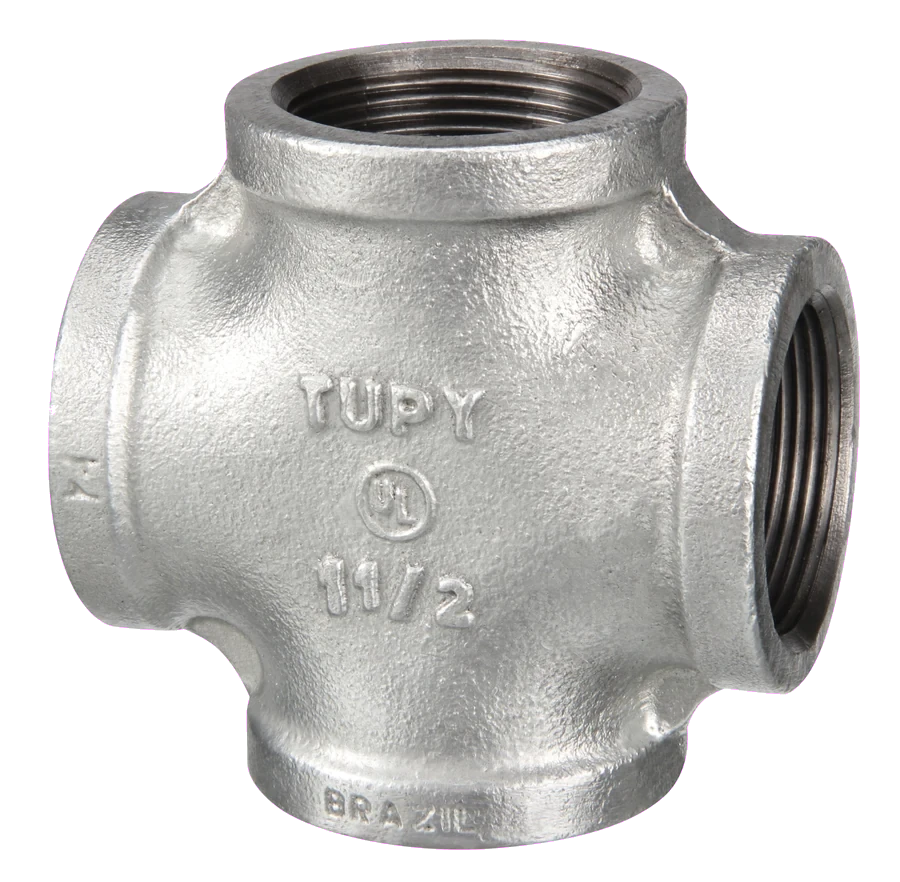
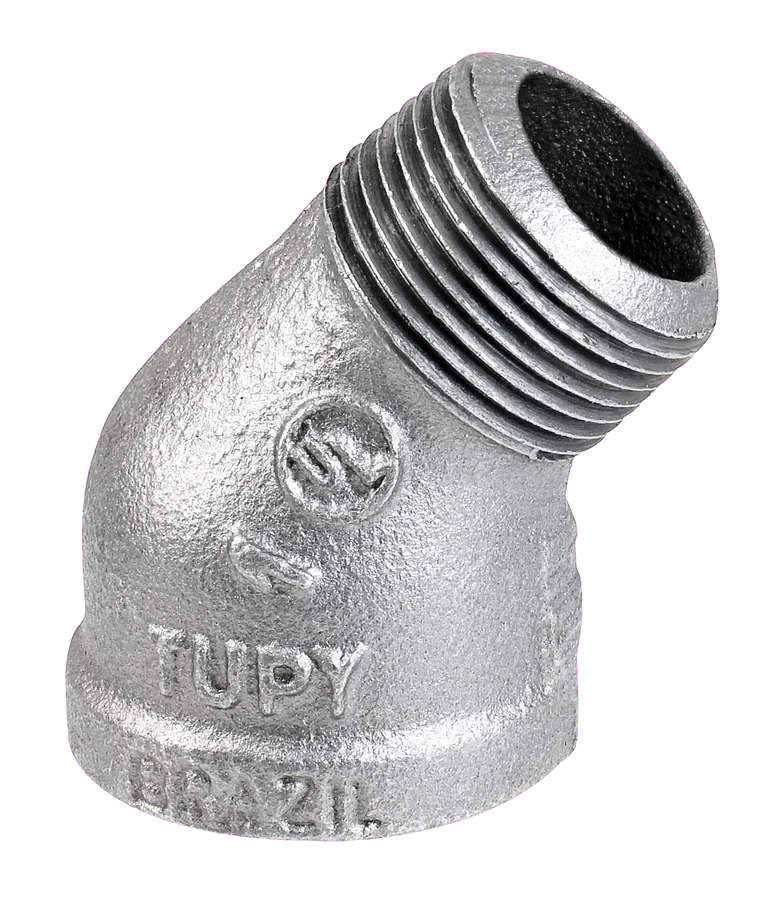
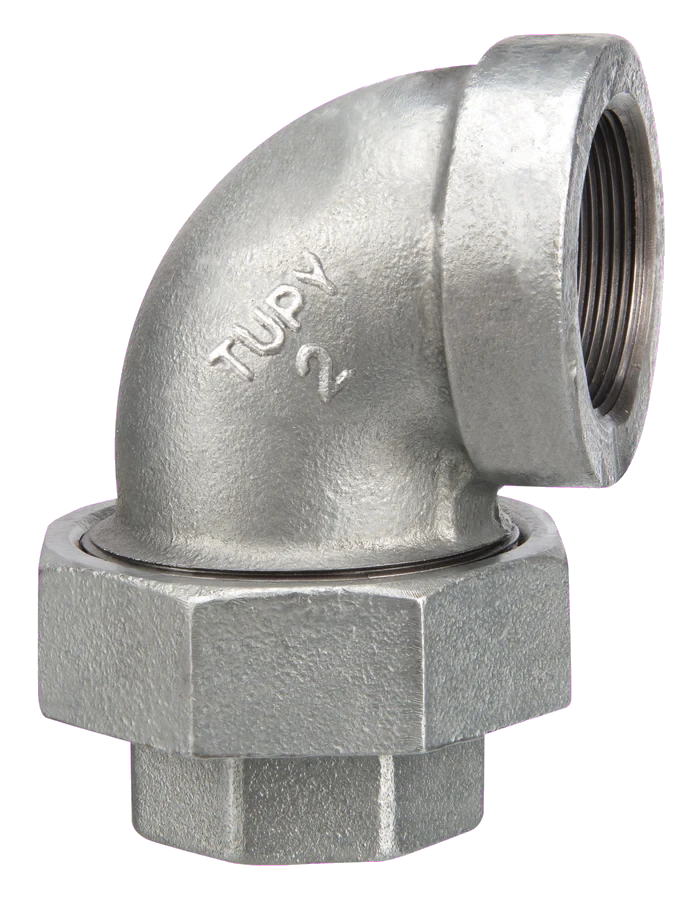
TUPY Brazil fittings are supplied in both standards: the BSP family and the NPT family. The dimension and working pressure table for each figure is on the products page and in the official catalogues.