Why the trade says "Brazilian fittings"
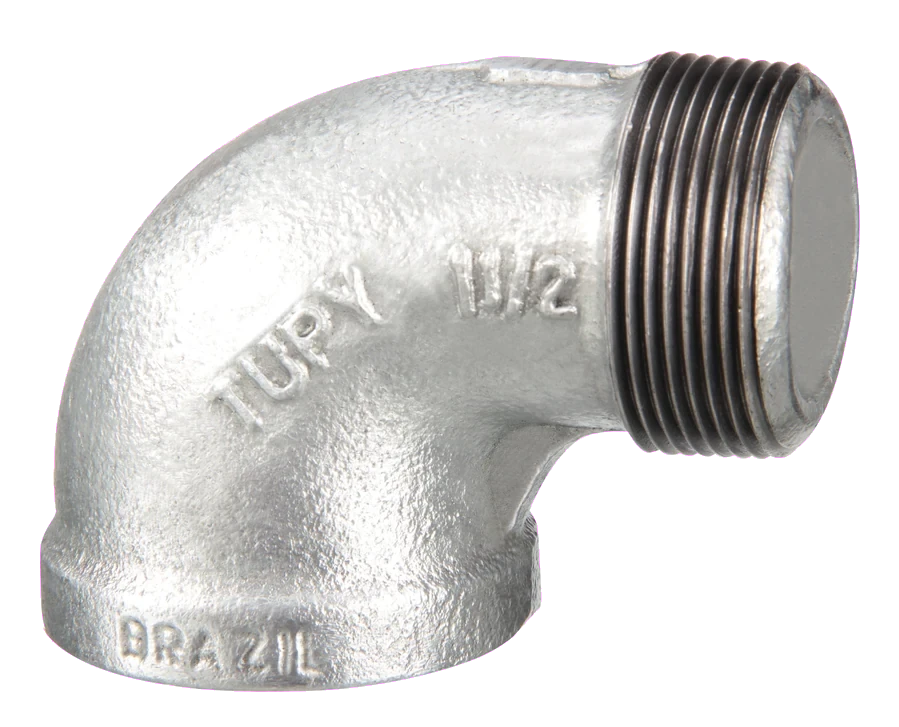
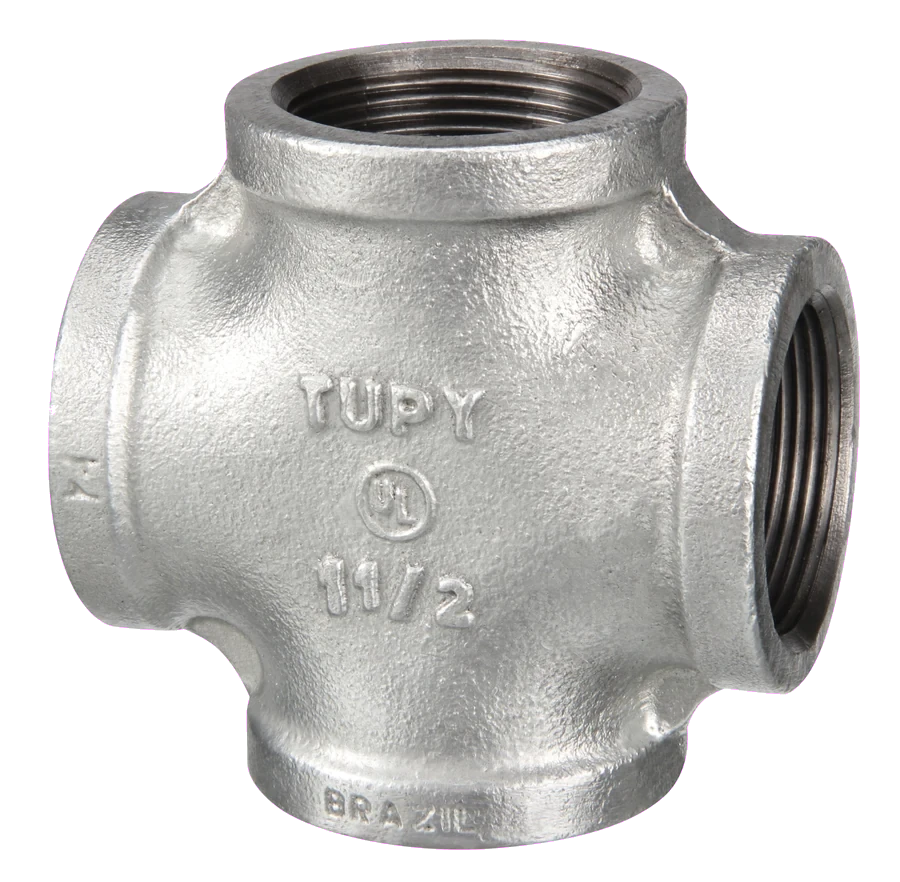
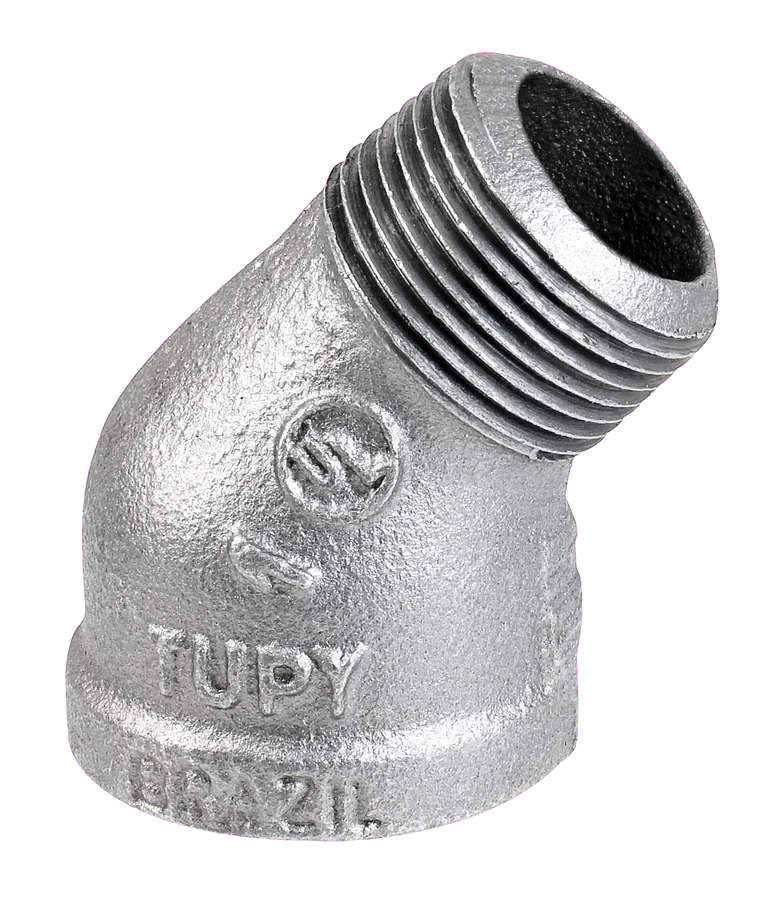
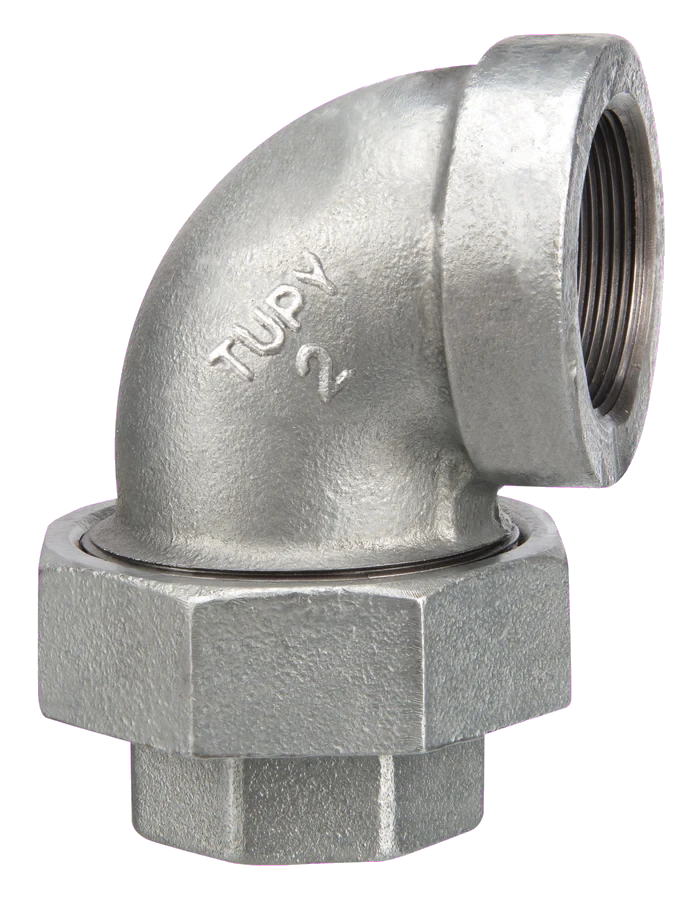
Ask a steel and building-services merchant in the region whether he has "Brazilian fittings" and nobody asks you which factory you mean. In practice the phrase refers to one brand: TUPY.
The reason is straightforward. TUPY fittings reached the regional market long before large-scale imports from China, and their quality settled in as the benchmark. Today "Brazilian" in this trade is not a geographical label; it is a quality level.
Who is TUPY?
TUPY was founded in 1938 in the city of Joinville, Brazil, and today is the largest producer of malleable cast iron threaded fittings in the world. Its products are exported to more than 40 countries, and alongside fittings it is a major supplier of automotive castings to international manufacturers.
It is that background in industrial casting that makes the difference: control of the chemical composition of the melt, uniform heat treatment and precise thread machining are exactly what separates a fitting from something that merely looks like one.
Malleable cast iron: where is the real difference?
TUPY fittings are made from malleable cast iron. After casting, the material spends hours under heat treatment so that the structure of its carbon changes. The result is a material that deforms under impact instead of breaking.
That property is critical in gas, steam and fire protection systems — where the sudden failure of a fitting is an incident, not a breakdown.
Three product families
1. BSP threaded fittings
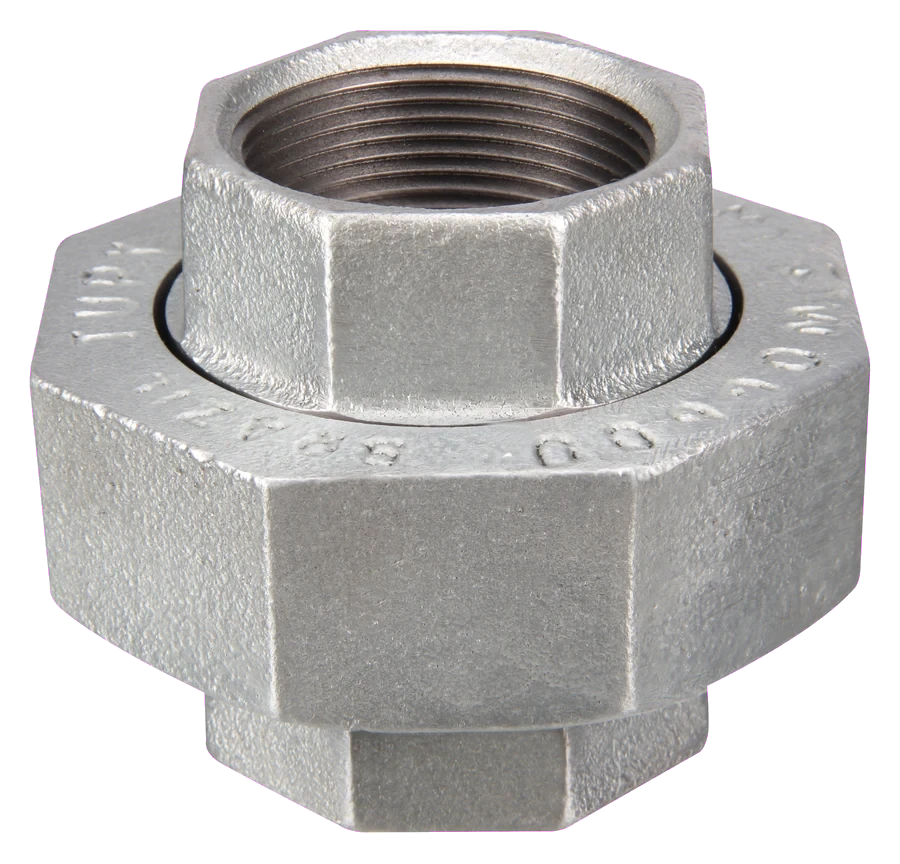
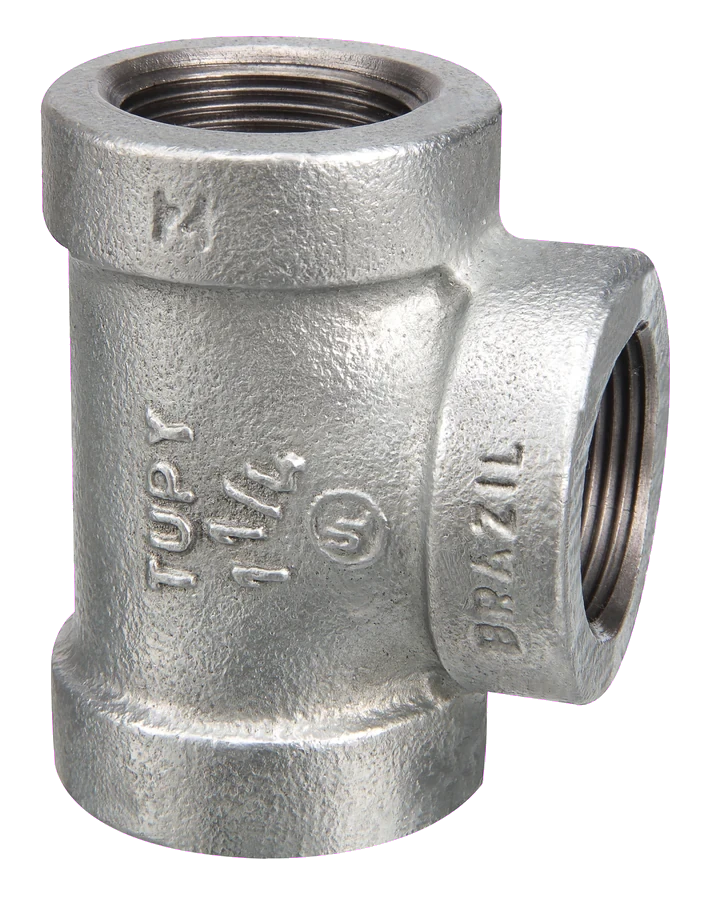
The most widely used family in the regional market. Standard BSP thread to EN 10242 and ISO 49, in galvanised and black finishes, sizes 1/4 to 6 inch. The range covers elbows, tees, sockets, nipples, unions, plugs and reducers.
2. NPT threaded fittings
To the American standard ASME B16.3 in class 150 (medium pressure) and class 300 (high pressure). The choice for projects written to American technical specifications, particularly in the oil, gas and petrochemical industries.
3. The TUPYPRES press system
A family that changes the method of installation: no thread cutting and no welding. The pipe is inserted into the fitting with a plain end and is sealed in seconds simply by tightening the nut — first by hand and then with an ordinary wrench. No press tool is needed and no special equipment.
The main advantage is that it removes hot work from the site; a decisive point in occupied buildings, in refineries and anywhere welding requires a permit.
Certifications
TUPY products are manufactured and inspected under the supervision of international bodies:
- DVGW (Germany) — approval for use in gas systems
- UL Listed and FM Approved (USA) — approval for fire protection systems
- INMETRO and ABNT (Brazil) — the national standards of the country of manufacture
- ISO 9001 — quality management system
FM and UL approval matters in particular: on many industrial projects in the Middle East, insurers and clients make both mandatory for the fire protection system.
How do you tell a genuine fitting?
- Marking on the body: the TUPY name and the size must be cast into the body, raised and legible — not printed and not faint.
- Surface uniformity: the surface of a genuine fitting is even; casting blowholes, flash and local irregularities are a sign of weak quality control.
- Thread quality: the thread form must be sharp, continuous and free of tears. A stepped or incomplete thread leaves the joint leaking from the first day.
- Uniformity of the galvanised coating: the coating must be even over the whole surface, including inside the thread.
- Weight: a genuine fitting has a defined weight, stated in the catalogue. A lighter fitting has a thinner wall.
- Documentation: ask the seller for import documents and proof of authenticity.
Applications across the region
- Fire protection systems in high-rise and industrial buildings
- Municipal and industrial gas piping
- Mechanical building services, plant rooms and central heating
- Hot and cold domestic water lines
- Oil, gas, petrochemical and power generation industries
Summary
"Brazilian fittings" in this trade means TUPY, and TUPY means malleable cast iron with accurate threads and international certification. The cost difference against cheaper options is real, but on lines where a leak means stopped production or a risk to life, that difference is not a cost — it is insurance.
To see all products and technical specifications, download the official catalogues or request a quote, go to the relevant pages.